|
Legal & Tax Disclosure
ATTORNEY ADVERTISING.
This article is provided for general informational purposes only and does not constitute legal, financial, or tax advice. Reading this content does not create an attorney-client or professional advisory relationship. Laws vary by jurisdiction and are subject to change. You should consult a qualified professional regarding your specific circumstances. |
Emily just called, frantic. Her mother passed away six months ago, probate was finalized last week, and now the bank is refusing to release the funds to her because she can’t find the signed Receipt of Distribution Form. She’s facing potential legal action from the bank, and frankly, the stress is overwhelming her at a time when she should be grieving. This isn’t uncommon—a misplaced or overlooked document can bring a finalized estate to a screeching halt, costing time, money, and immense emotional distress.
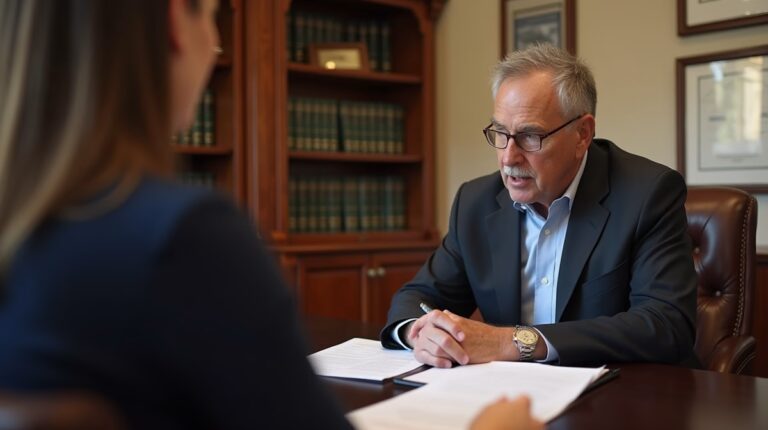
As an Estate Planning Attorney and CPA with over 35 years of experience here in Escondido, I see these situations all too often. It’s a perfect example of why even seemingly minor paperwork in probate is absolutely crucial. Let’s break down the Receipt of Distribution Form, what it is, why it matters, and how to avoid Emily’s predicament.
What Exactly Is a Receipt of Distribution Form?
The Receipt of Distribution Form (Judicial Council Form DE-290) is a legally binding document signed by each beneficiary of an estate, acknowledging they’ve received their share of the assets as outlined in the court’s final orders. It serves as proof of delivery and provides a vital layer of protection for the executor. Essentially, it’s the beneficiary saying, “Yes, I received what I was entitled to, and I release the estate from any further obligation.”
Why is This Form So Important?
The importance stems from the executor’s fiduciary duty. As executor, you are legally responsible for managing the estate’s assets and distributing them according to the will (or the laws of intestacy if there’s no will) and the court’s orders. The Receipt of Distribution isn’t just a formality; it’s your shield against future claims.
- Protection from Liability: A signed receipt demonstrates you fulfilled your duty to distribute assets correctly. Without it, a beneficiary could later claim they didn’t receive their share, potentially leading to legal battles.
- Court Closure: The court requires these receipts as part of the final accounting and before the executor can be discharged. They are essential for obtaining that final judgment, which officially closes the estate.
- Bank & Asset Release: Financial institutions and other entities holding estate assets will typically require a copy of the signed receipt before releasing funds or transferring ownership.
How Does it Relate to the Closing Reserve?
Before distributing anything, executors should request authority to withhold a cash reserve (typically $2,000–$5,000) to pay for final closing costs, tax preparation fees, and county recording fees. Any unused amount is distributed later without a new court order. The Receipt of Distribution should clearly state the exact amount and type of assets received, including any distributions from this closing reserve. This transparency prevents misunderstandings and potential disputes down the line.
What Happens if a Beneficiary Won’t Sign?
This is where things get tricky. If a beneficiary refuses to sign, you have a few options:
- Communication & Explanation: First, try to understand why they’re refusing. Often, it’s a simple misunderstanding that can be resolved through clear communication.
- Court Petition: If communication fails, you can petition the court for an order compelling the beneficiary to sign. This involves filing a motion and presenting evidence to the judge.
- Substitute Form: In some cases, the court may accept a substitute form, such as a letter acknowledging receipt and a release of claims, but this is less common and requires court approval.
How Does My CPA Background Help with This?
Being a CPA alongside my legal practice gives me a unique perspective. The value of the estate isn’t simply what’s left after debts and expenses. Probate Code § 10800 states that fees are not calculated on the ‘net’ value (equity), but on the ‘estate accounted for’ (gross value of assets + gains – losses). A house worth $1M with a $900k mortgage still generates fees based on the full $1M value. Understanding this, and the tax implications of asset distribution – particularly the potential for a step-up in basis for inherited assets – allows me to minimize costs and maximize the benefit for the beneficiaries. Proper valuation is key, and my CPA skills are invaluable in this regard.
The Final Discharge and Closing the Estate
Remember, the probate case is not actually ‘closed’ until the judge signs the Decree of Final Discharge (Judicial Council Form DE-295). This document releases the executor from liability. Without it, the executor remains on the hook for the estate indefinitely. Gathering all signed Receipts of Distribution, presenting a final accounting, and obtaining the Decree of Final Discharge are the last, crucial steps in fulfilling your duties as executor.
What causes California probate cases to spiral into delay, disputes, and extra cost?

California probate is designed to provide court-supervised transfer of property, yet cases often break down when authority is unclear, required steps are missed, or disputes arise over assets, notice, and fiduciary conduct. When the process is misunderstood, families can face avoidable delay, escalating conflict, and increased exposure to creditor issues, hearings, or litigation before the estate can close.
To manage the estate’s value, separate property types by learning probate assets, confirm exclusions through assets that bypass probate, and support valuation steps with probate inventory requirements to reduce disagreements about what is in the estate.
Ultimately, the difference between a routine distribution and a protracted legal battle often comes down to preparation. By anticipating the demands of the Probate Code and addressing potential friction points with beneficiaries and creditors upfront, fiduciaries can navigate the system with greater confidence and lower liability.
Verified Authority on Closing a California Estate
-
Petition for Final Distribution: California Probate Code § 11600
This is the “finish line” document. It tells the court what bills have been paid, what assets remain, and exactly who gets what according to the Will or intestacy laws. The court must approve this petition before a single dollar is distributed to heirs. -
Waiver of Account: California Probate Code § 10954 (Waiver)
A powerful tool for speeding up the closing process. If all beneficiaries are competent adults and agree in writing, the executor can skip the detailed (and costly) formal financial accounting. This often saves the estate thousands of dollars in legal and accounting fees. -
Executor & Attorney Fees: California Probate Code § 10810 (Attorney Compensation)
Just like the executor, the probate attorney is entitled to statutory fees set by law, not by hourly billing. These fees are requested in the final petition and are paid only after the judge signs the final order. -
Receipt on Distribution: California Probate Code § 11751
Proof is required. After the judge orders distribution, the executor must deliver the assets and obtain a signed Receipt of Distribution from every beneficiary. These receipts must be filed with the court to prove the judge’s order was followed. -
Final Discharge: Judicial Council Form DE-295 (Ex Parte Petition for Final Discharge)
The final step often forgotten. Once all receipts are filed, the executor must file this form to be “discharged.” This order formally relieves the executor of their duties and cancels the bond, ending their legal liability. -
Tax Clearance: Franchise Tax Board (Estates & Trusts)
Before closing, the executor must ensure all personal income taxes of the decedent and fiduciary income taxes of the estate are paid. While a formal tax clearance certificate is not always required for smaller estates, personal liability for unpaid taxes remains a risk for the executor.
|
Attorney Advertising, Legal Disclosure & Authorship
ATTORNEY ADVERTISING.
This content is provided for general informational and educational purposes only and does not constitute legal, financial, or tax advice. Under the California Rules of Professional Conduct and State Bar advertising regulations, this material may be considered attorney advertising. Reading this content does not create an attorney-client relationship or any professional advisory relationship. Laws vary by jurisdiction and are subject to change, including recent 2026 developments under California’s AB 2016 and evolving federal estate and reporting requirements. You should consult a qualified attorney or advisor regarding your specific circumstances before taking action.
Responsible Attorney:
Steven F. Bliss, California Attorney (Bar No. 147856).
Local Office:
Escondido Probate Law720 N Broadway 107 Escondido, CA 92025 (760) 884-4044
Escondido Probate Law is a practice location and trade name used by Steven F. Bliss, Esq., a California-licensed attorney.
About the Author & Legal Review Process
This article was researched and drafted by the Legal Editorial Team of the Law Firm of Steven F. Bliss, Esq.,
a collective of attorneys, legal writers, and paralegals dedicated to translating complex legal concepts into clear, accurate guidance.
Legal Review:
This content was reviewed and approved by Steven F. Bliss, a California-licensed attorney (Bar No. 147856). Mr. Bliss concentrates his practice in estate planning and estate administration, advising clients on proactive planning strategies and representing fiduciaries in probate and trust administration proceedings when formal court involvement becomes necessary.
With more than 35 years of experience in California estate planning and estate administration,
Mr. Bliss focuses on structuring enforceable estate plans, guiding fiduciaries through court-supervised proceedings, resolving creditor and notice issues, and coordinating asset management to support compliant, timely distributions and reduce fiduciary risk. |